
General
Why Keep Old Documents - The Papers That Can Prove Citizenship
In citizenship cases, proving US physical presence is the whole story. One discarded old document can close an entire path. Here is what to keep, and why.
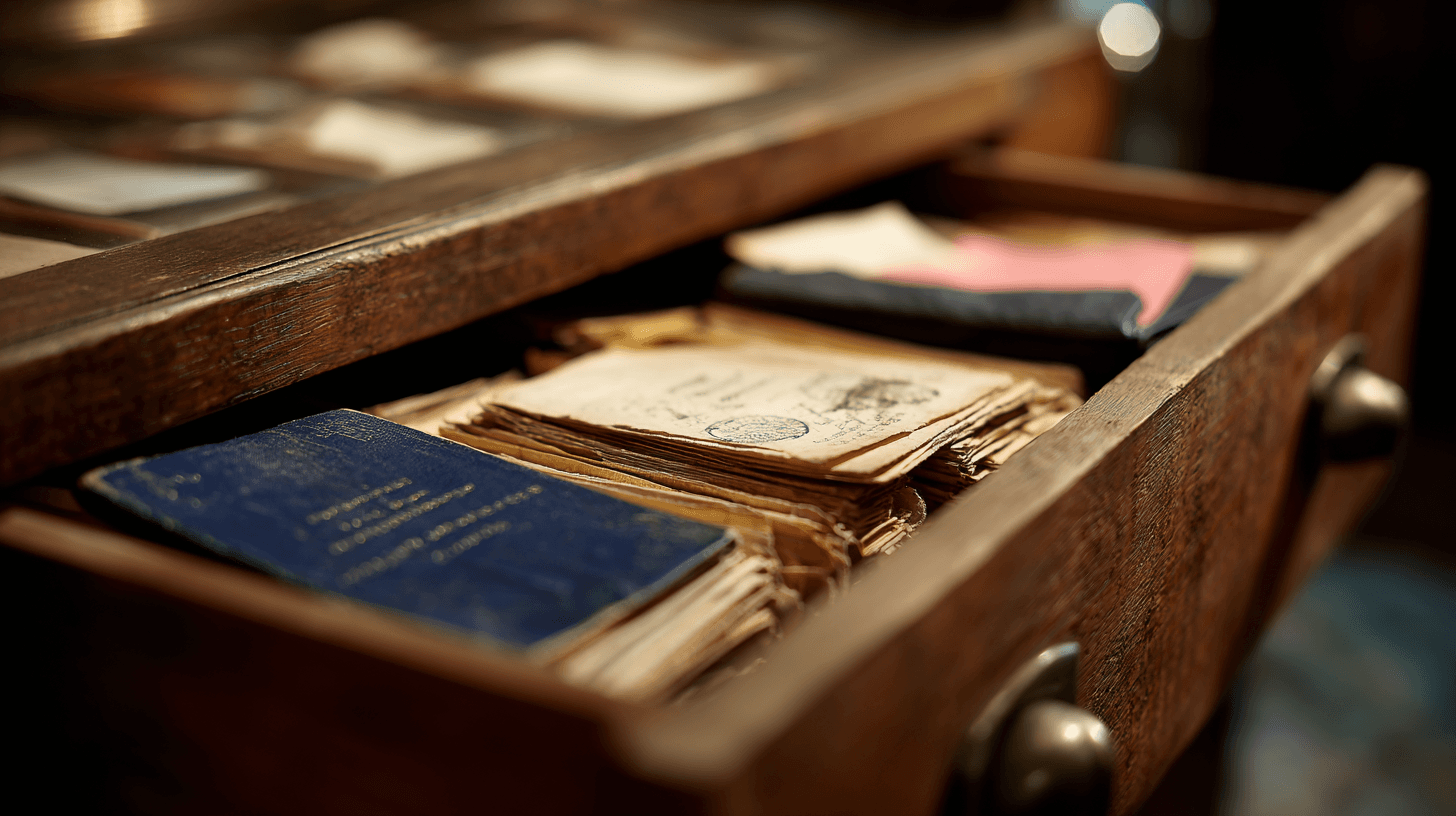
One of the most painful things we see: a family that is entitled to US citizenship - but can't prove it, because the very documents showing how long a parent or grandparent actually lived in the US were thrown out over the years.
Why it matters so much
Citizenship through a parent or grandparent stands or falls on one thing: the physical-presence requirement - five years in the US, two of them after age 14. Family memory won't satisfy the authorities; you need documents that pin down dates.
What to keep (originals, not just scans)
- Old US passports - including expired ones, with entry/exit stamps
- US school and university records, transcripts
- US tax returns, pay stubs, Social Security documents
- Leases, utility bills, vaccination records from the US-residence years
- Birth and marriage certificates, and any official document with a date and address
The simple rule
Every old US document that carries a date and an address is a potential building block in proving your children's and grandchildren's eligibility. Don't throw them out - scan them, and hold on to the original.
Already threw them out?
Not necessarily lost. Records can often be recovered - from schools, tax authorities, and archives. In the eligibility check we map exactly what you already have, what's missing, and how the gaps can be filled.
Have a question about your case?
Talk to us on WhatsApp